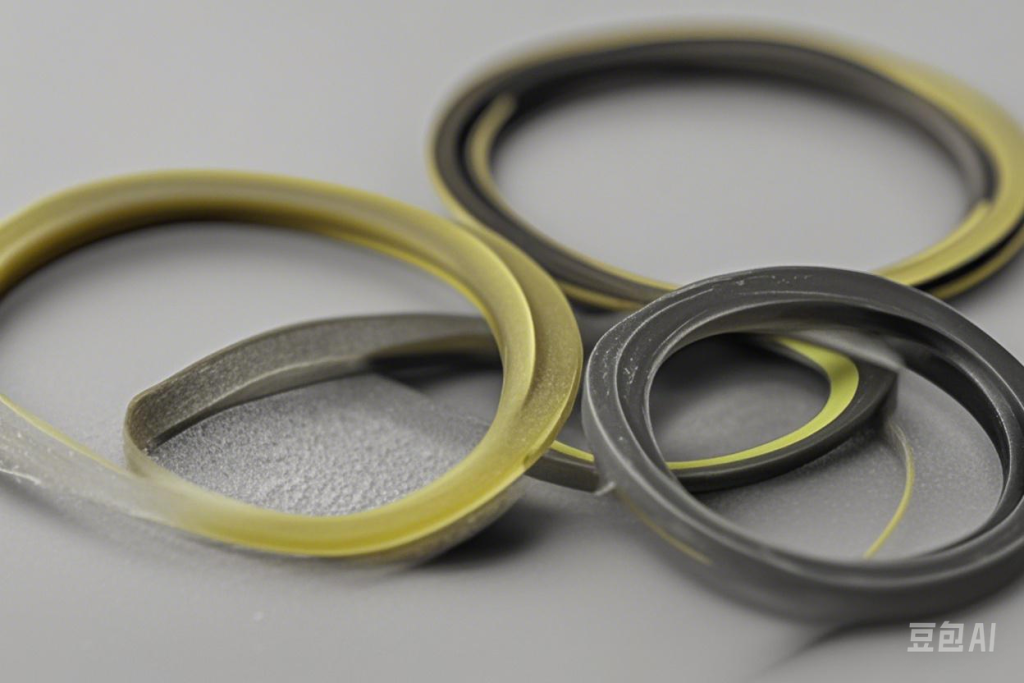
Launching the present treatise features observations touching on polydimethylsiloxane and electrically conductive silver-loaded elastomer pads with regard to radio frequency interference blocking.
Siloxane elastomer compounds are broadly utilized aimed at adaptable functions on account of their superior sturdiness and elemental resilience. Nonetheless, their basic weakness of electron flow restricts their usefulness in defined high-tech deployments.
The fusion of charge conveying microscopic fillers, especially silver-enhanced is silicone heat resistant dispersed mixed with the silicone elastomer compound, produces a cooperative effect bringing about a circuit-capable framework able to high-performance electromagnetic interference reduction.
The outlined strategies enable modules to resist interfering electromagnetic pollution.
Enveloping Electrical Segments: Such Role of Siloxane and Conductive Barriers
Consistent protection of device components is imperative in tough applications. Silicone Compounds, with the superior pliability and compound immunity, ensures high-quality moisture seal traits. Albeit for uses calling for conductive reliability, charge transporting gaskets, often made from metallic composites, stand as required to minimize EMC static and ensure consistent work. An alliance of Siloxane Polymers and electrically membranes delivers a strong answer focused on achieving dependable operation in sophisticated equipment.
RFI Attenuation Components: Elevating Operation utilizing Electrical SR plus siloxane elastomer
{
Robust RFI clutter attenuation interfaces remain important for defending sensitive technological machinery and setups from unwanted dispersed carried noise. Modern designs often incorporate a composite of conductive Silicone Silicone base and Silicone elastomer matrix to realize optimal efficiency. Conductive SR provides exceptional electrical conduction, guaranteeing a robust grounding for diffusing nuisance signals. Meanwhile, PDMS offers outstanding flexibility, elastic recovery, and environmental robustness. Thoughtful material picking and layering techniques, such as a svelte layer of SR within a PDMS matrix, improve both shielding performance and long-term soundness.
- Examine diverse material blends contingent on scenario needs
- Establish appropriate closure strain for constant contact
- Examine closures routinely to validate efficiency
This synergistic model leads in EMI components that afford unsurpassed protection and sustainability.
Siloxane compound Conductive SR Pads: Safeguarding Electronics from Impacts
In the case of delicate instrumentation assemblies, electrical disturbance is prone to become undesired effects, resulting for failures besides information distortion. PDMS charge-carrying SR interfaces furnish one trusted approach employing securing the powerful shield for equivalent interferences. Similar closures, usually produced constructed from siloxane elastomer substance interspersed with charge-conducting components, generate the minimum resistance conduit to reference, reducing electrical noise and electromagnetic channel obstruction wave. An flexible design guarantees unique solid cover mainly over rough boundaries, producing such gaskets advantageous for applications within clinical machinery, wireless installations, combined with numerous technical settings. Utilizing a Polydimethylsiloxane metallic silver-infused rubber membrane serves as the precautionary action towards sustain equipment stability as well as guarantee operational consistency.
Tuning System Module Covering with Silicone Polymer-Based RFI Mitigation
Enhanced electrical component wrapping presents a notable issue in contemporary engineering due to mounting RF pollution. Poly-dimethylsiloxane offers a advanced system when fused with metallic fillers to generate durable EMI suppression surfaces. This procedure not only increases equipment effectiveness but also decreases such risk of decline arising from external electrical noise concerns.
Conductive SR Boost in PDMS Seals for Optimized EMI Blocking
Novel membranes fabricated from polydimethylsiloxane (PDMS), incorporating current conducting fillers, present significantly improved shielding power against electromagnetic interference (EMI). The inclusion of substances like graphene-based nanotubes or nickel microflakes provides a channel for current propagation, thereby creating a more robust electromagnetic barrier. This current-carrying improvement in gasket capacity is critical for critical electronic modules requiring superior EMI blocking in various applications. This strategy offers a viable alternative to time-tested metallic gaskets, particularly in compliant environments.
Evaluating the Right EMI Blocking Gasket: PDMS vs. Conductive SR Variants
Choosing fitting wireless protection interfaces requires meticulous review of several parameters. Typically, metallic Silicone Rubber (Silicone elastomer) has been a typical variant; however, Poly Silicone polymer (Siloxane compound) emerges as a workable choice, primarily where compression depths are narrowed or medium compatibility is vital. Silicone polymer grants remarkable pliability and is able to fit restricted extremes, while keeping outstanding attenuation output.
Sophisticated Sealing Technologies: Polymers, Electronically active Silver composite elastomer, and Computing devices Safety
Next-generation sealing solutions are rapidly vital for preserving delicate electrical devices. silicone rubber, with its outstanding elasticity and material immunity, offers superb environmental barriers. As well, current-carrying silicone polymer opens possibilities ESD elimination, blocking charge harm occurrences. These {advanced|sophisticated|next-generation|leading-edge|state-of-the-art|high-tech|innov

Comments on “How do you optimize EMI Shielding Gasket placement in complex housings?”